

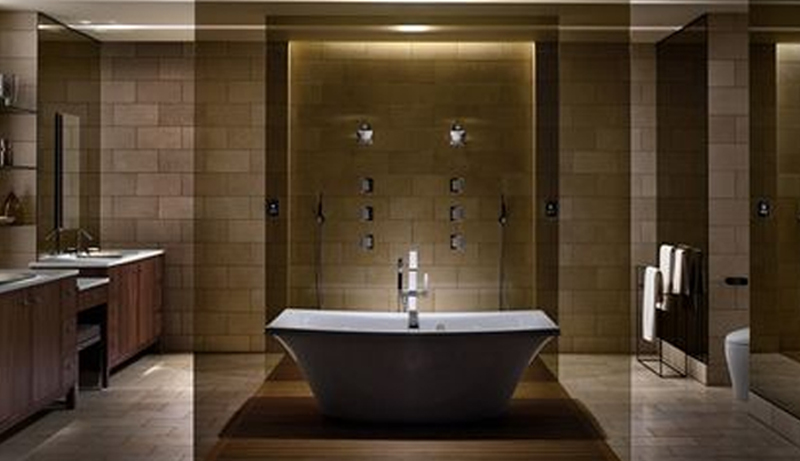
One of the most important decisions is to choose between traditional or modern sanitaryware when designing or renovating a bathroom. Not only does this decision affect how a bathroom looks, it also affects how it functions, its durability and its ease of upkeep. Each has its own set of pros and cons, so which one is a better fit is 100% subjective, based on your personal preferences, budget, and the architecture of your home. In this article, we shall look at the main differences between old world and modern sanitaryware so that you can make the right choice for your home.
Understanding Modern Sanitaryware
Modern sanitaryware, which includes sleek, minimalist bathroom fixtures with advanced technology and modern materials. It is defined by an aesthetic of clear lines, geometric shapes, and a focus on efficacy and sustainability. Touchless faucets, rimless toilets and water-saving mechanisms are just some of the features common to modern sanitaryware.
Benefits of Modern Sanitaryware
- Aesthetic Appeal – New-age sanitaryware consists of sleek, stylish designs that make the bathroom appear compact and posh.
- Space-consciousness – Many models also prioritize compact designs and are therefore excellent for a small bath, or an urban apartment.
- Technological Integration – A lot of modern fixtures, including things like motion-sensor faucets and self-cleaning toilets, come with smart technology that makes it a lot easier and is more hygienic.
- Water Conservation-Use of eco-friendly innovations such as dual-flush toilets and low-flow showerheads can help reduce water consumption, ultimately minimizing utility bills and environmental impact.
- Low Maintenance – Modern sanitaryware, with seamless surfaces and rimless designs, are easier to clean and resistant to bacteria accumulation.
Disadvantages of modern sanitaryware
- More Expensive – Flagship designs and technology have a premium price.
- Potential fitment issues — New fittings can have certain plumbing setup requirements or require more installation effort
- Trendy but Time-Sensitive — Certain contemporary designs can become outdated relatively fast, which means they may need updating sooner than suspected.


What is Traditional Sanitaryware?
Traditional sanitaryware has an ageless classic appeal, usually with Victorian, Edwardian or rustic designs. These include decorative details, curved edges and vintage finishes like chrome or brass. Heritage homes or those who like a cozy warm aesthetic generally prefer traditional designs.
Benefits of Conventional Sanitaryware
- Timeless Appeal — Traditional sanitaryware always stays in style, making it a long-term investment.
- Durability – Traditional fixtures are often built from durable materials, including porcelain, cast iron, and ceramic.
- Period – Classic sanitaryware is a natural fit for older properties, helping preserve the architecture.
- Custom Craftsmanship – Most conventional fixtures boast handcrafted features that lend character to the bathroom.
The cons of Traditional Sanitaryware
- Space – Traditional fixtures generally occupy more space, making them less ideal for smaller bathrooms.
- Minimal Technological Features – Though some traditional finishes are infused into modern designs, most period options won’t include a range of modern day high-tech features often seen with sanitaryware today.
- Higher Maintenance – Intricate designs and ornate detailing are more time-consuming to clear.
Factors to Consider When Choosing Between Modern and Traditional Sanitaryware
- Home Style and Architecture
Your choice should be informed by the overall theme of your home. While modern sanitaryware suits contemporary homes and designs, vintage or rustic sanitaryware suits classic homes. - Space Availability
Compact sanitaryware items have space-saving designs which make them ideal for a compact bathroom. Traditional fixtures are usually larger and need more space. - Budget Constraints
Your budget will heavily influence which style is most suitable for you. Sanitaryware, especially smart ones, can be pricey. Compared to ceramic sanitaryware, PoP and other such materials are less expensive, but ceramic sanitaryware typically lasts longer, making it more economical in the long run. - Maintenance and Cleaning
Current sanitaryware is more streamlined and features smooth surfaces that in general are easier to clean. Or, vintage fixtures, with their delicately designed features and aged coats of patina, that may take extra work (and specialty cleaning products) to ensure they stay clean. - Technological Preferences
If you like technology-enabled convenience, such as automatic flushing toilets or sensor-operated faucets, you should opt for modern sanitaryware. Traditional sanitaryware, on the other hand, is ideally suited for people who like classic, non-digital functionality. - Environmental Considerations
Modern sanitaryware provides eco-friendly options like low-flow toilets and sensor-driven faucets that curtail water usage, ideal for environment-friendly households. Traditional fixtures, although often built to endure, may lack such sustainable features.
The Bottom Line: Which Is Better for Your Home?
There is no right or wrong choice when it comes to deciding whether modern sanitaryware is better than traditional or vice versa; it is entirely subjective and mostly depends on your tastes, lifestyle and the architecture of your home. Modern sanitaryware is the way to go if you want sleek design, compactness and intelligent technology. But, if you value timeless elegance, durability and classic craftsmanship, traditional sanitaryware will be heartily much more appropriate.
For homeowners who can’t decide, a balanced approach might be best. Mixing elements of both styles — like a vintage sink and a modern toilet for example — can create a unique, personalized bathroom that combines functionality with aesthetic charm. Whatever your choice you must make sure that your sanitaryware matches your lifestyle and adds elegance and convenience to your dear home.